
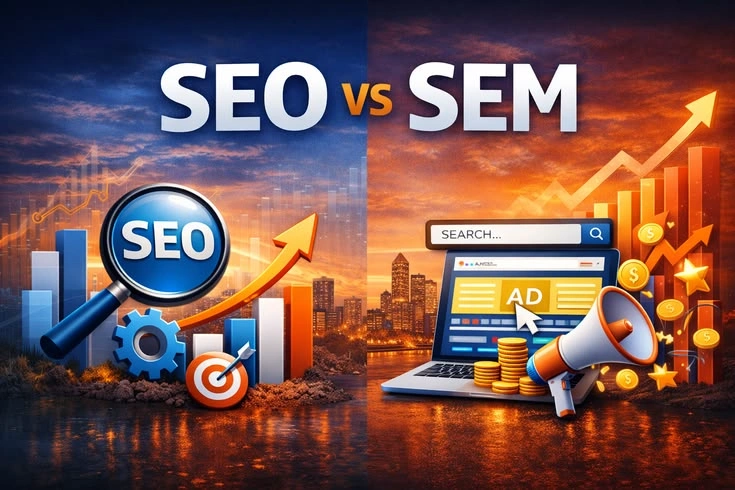
What SEO is and how it works
SEO, or search engine optimisation, focuses on improving a website’s visibility in organic search results. It involves technical fixes, on page adjustments, and off page factors that collectively help search engines understand and rank content relevant to user queries. Core elements include site speed, mobile friendliness, clean architecture, structured data, and high quality content that answers real user Difference Between SEO and Smo intent. The aim is to attract meaningful traffic without paying for clicks, by building trust with both search engines and prospective visitors through consistent, value driven signals over time. Understanding SEO starts with researching intent, prioritising pages, and measuring impact through rankings, traffic, and conversions to refine strategies continuously.
What Smo is and how it differs
Smo, or social media optimisation, concentrates on maximising a brand’s presence and engagement across social networks. Rather than ranking in search engines, it seeks to boost reach, shareability, and audience interaction. Tactics include crafting compelling posts, leveraging trends, building a loyal community, and encouraging user generated content. Smo tracks metrics like engagement rate, followers growth, and content resonance. The approach is fast moving, platform specific, and highly dependent on audience feedback and social algorithms, with success often visible in mentions, traffic referrals, and brand sentiment rather than direct search rankings.
Audience intent and discovery channels
SEO targets users actively searching for information, products, or solutions, so content must align with specific queries and user intent. This means performing keyword research, creating comprehensive guides, and answering questions that appear in search results. Smo targets passive and active social users, aiming to appear in feeds where people scroll, react, and share. It relies on timing, visual appeal, and interactive formats to spark discovery beyond explicit search queries, making it essential to tailor formats for each platform and community norms.
Content strategies and optimisation methods
In SEO, content must satisfy search intent while remaining technically solid. This includes optimised titles, meta descriptions, header structure, internal linking, and semantic relevance. Content quality, depth, and authority matter, with a focus on long term growth. Smo content prioritises immediacy and engagement, using concise messages, eye catching visuals, and short form formats that invite comments and shares. Combining both approaches often yields durable reach across search and social channels through valuable, adaptable content that resonates in multiple contexts.
Measurement and success indicators
SEO success is usually measured by organic traffic, keyword rankings, bounce rate, and conversion metrics influenced by search visibility. Smo success is gauged by engagement metrics such as likes, comments, shares, saves, and audience growth, plus referral traffic from social platforms. A balanced strategy tracks both types of outcomes, ensuring that social activity supports search visibility and that search efforts bolster social credibility, resulting in a cohesive brand presence across digital channels.
Conclusion
Difference Between SEO and Smo explains two complementary paths for online visibility. SEO builds long term, sustainable search rankings by aligning technical, content, and authority signals with user intent. Smo accelerates audience reach and interaction through platform aware content and community engagement. Together, they create a robust strategy where search visibility nurtures credibility and social activity expands reach, feedback loops, and brand affinity.