
As our parents or grandparents grow older, our relationship with them changes. We start worrying about them more. We wonder if they took their medicine on time, if they are navigating the stairs safely, or what would happen if they slipped while home alone. It is a natural, deeply human anxiety that millions of families face every single day.
Maintaining independence is incredibly important to older adults. No one wants to feel like they are losing their freedom or becoming a burden to their family. That is why modern wearable technology has become such a comforting bridge for families. Investing in a smart fall detection watch paired with a reliable medical alert watch provides a discrete, dignified safety net. At myseniorcarehub, we believe that choosing the right protective gear should be simple and transparent, giving seniors the freedom to enjoy their lives while providing absolute peace of mind to their loved ones.
The Critical Technology Behind a Fall Detection Watch
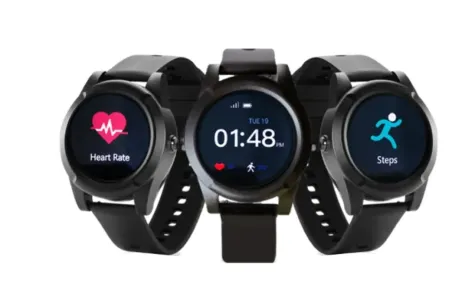
A fall can happen in a split second. Whether it is a slip on a slick bathroom tile or a trip over a misplaced rug in the hallway, the physical and emotional aftermath can be severe. For seniors, the greatest danger often comes from what medical professionals call the “long lie”—spending hours on the floor unable to reach a telephone or call out for assistance.
A modern fall detection watch solves this problem by taking the responsibility of calling for help entirely out of the senior’s hands.
How Do Wrist Sensors Know You Fell?
Many families worry that these devices will trigger a false alarm every time a senior claps their hands or chops vegetables in the kitchen. Advanced wearables use a combination of sophisticated hardware sensors to prevent this:
-
Barometric Pressure Sensors: These sensors measure micro-changes in air pressure to determine if a wearer’s altitude dropped suddenly, signaling a move from a standing position to the floor.
-
Tri-Axis Accelerometers: These measure the rapid acceleration and sudden deceleration of movement, identifying the physical physics of an actual impact.
-
Post-Fall Inactivity Monitoring: After a sudden acceleration change is recorded, the device checks for a period of stillness. If the wearer does not move or stand up within thirty seconds, it confirms a serious event occurred.
When these sensors cross-reference data and detect a real fall, the wristband begins a short countdown with an audible beep. If the user is okay, they can tap the screen to cancel it. If they are unconscious or unable to move, the device automatically routes an emergency signal along with exact GPS coordinates to family members or a professional monitoring station.
Why an Integrated Medical Alert Watch Is the Ultimate Safety Net
While automatic sensor tracking is fantastic, it is only one part of a comprehensive elder safety strategy. Seniors face a wide variety of health hurdles that do not involve a physical slip. A sudden drop in blood sugar, severe shortness of breath, chest pains, or a feeling of disorientation while walking around the neighborhood require an immediate human connection.
This is where a dedicated medical alert watch becomes invaluable. Unlike traditional, institutional-looking plastic neck pendants that seniors often hide under their shirts out of embarrassment, modern alert wearables look identical to standard sleek smartwatches.
Key Advantages of Dedicated Medical Wearables
-
The Dedicated SOS Button: In an emergency, navigating complex smartphone menus or looking for a small mobile phone is nearly impossible. A medical wearable features a tactile, easy-to-locate physical button. Pressing and holding this button for two seconds instantly opens a live, two-way voice channel with a certified emergency dispatcher.
-
Nationwide Cellular Freedom: Older systems only functioned within a short range of a physical home base station plugged into a landline. Modern watches contain built-in 4G LTE cellular SIM cards. Whether your loved one is working in their backyard garden, buying groceries at a local market, or traveling out of town, their safety line travels with them everywhere.
-
Intelligent Location Tracking: If a loved one suffers from mild cognitive decline or early-stage dementia, they may occasionally wander or forget how to return home. Advanced wrist devices utilize a combination of GPS, cellular triangulation, and local Wi-Fi networks to help family caretakers pinpoint their exact location through a secure mobile application.
Practical Features to Compare Before You Purchase
When you begin researching devices for an elderly family member, it is easy to get overwhelmed by complex technical specifications. To find a device that your loved one will actually enjoy wearing every day, focus on these practical, user-centered elements.
Battery Life and Charging Efficiency
A security device is completely useless if it spends half its life sitting on a bedroom charging cradle because the battery drains too quickly. Look for wearables that offer at least two to three days of continuous battery use on a single charge. Furthermore, check the design of the charging station. Magnetic snap-on cradles are significantly easier for arthritic fingers to use compared to tiny, frustrating micro-USB plugs.
Screen Readability and Audio Volume
Seniors frequently struggle with fading eyesight and age-related hearing loss. Ensure the wearable you select features a high-contrast, bright display screen with large, easily readable text fonts. The built-in microphone and speaker units must be loud and clear enough to be easily understood over ambient neighborhood traffic noise or a loud television playing in the background.
Conclusion: Investing in Dignity and Peace of Mind
Ensuring the safety of our aging family members does not mean we have to restrict their freedom or constantly monitor their every move. By choosing a high-quality fall detection watch, you provide an invisible shield that protects them during a household crisis. Combining that technology with a stylish, always-connected medical alert watch ensures that a compassionate human voice is always just a button-press away, no matter where life takes them.
Do not wait for an accidental household injury to expose the gaps in your family’s current care plan. Take a proactive step toward securing your loved one’s independence today. Explore our comprehensive reviews and hardware guides at myseniorcarehub to find the perfect wearable balance for your household’s unique lifestyle and needs.
FAQs
What is the difference between a standard consumer smartwatch and a dedicated senior safety watch?
Standard consumer smartwatches are built primarily for fitness tracking, receiving text notifications, and running mobile applications; their emergency response features are often secondary and require an active, nearby smartphone connection to function. Dedicated senior safety wearables feature built-in independent cellular chips, direct links to professional medical dispatch centers, and specialized sensors optimized specifically for senior movement metrics.
Can my loved one wear their emergency watch while taking a shower or bath?
Yes, most premium senior safety wearables feature an IP67 or IP68 water-resistance rating. This means they are completely safe to wear while taking a shower or relaxing in a bath. Since slippery bathroom surfaces are among the highest-risk zones for household falls, keeping the device on your wrist while washing is highly recommended.
How do emergency dispatchers know where to send help if a senior is away from home?
Modern safety wearables utilize multi-constellation GPS tracking along with cellular network tower signals to calculate an accurate physical location. When an emergency alert is triggered, these coordinates are instantly transmitted to the dispatch desk, allowing emergency responders to route local assistance directly to the user’s location, even if the wearer is disoriented or unable to speak.
Are there monthly fees associated with these senior safety wearables?
Yes, because these devices operate similarly to a miniature mobile phone, they require an ongoing monthly service subscription. This monthly fee covers the 4G cellular data network usage and funds the around-the-clock professional monitoring center agents who stand ready to answer SOS alerts at any hour of the day or night.