
An empty room rarely tells a buyer anything except its dimensions. Bare walls, uncovered floors, and a single window offer no sense of scale or lifestyle, which is exactly why so many listings with vacant interiors sit on the market longer than staged ones. Buyers scroll through photos on their phones in seconds, and a room with no furniture gives them nothing to imagine themselves living in.
This gap between a space and a sellable one used to mean choosing between two expensive paths: renting furniture for weeks at a time or hiring a photo editor who might take days to return a single image. Neither option worked well for agents juggling multiple listings on tight timelines, and neither suited sellers who wanted their home photographed and listed within a week.
How AI Changed Listing Photography
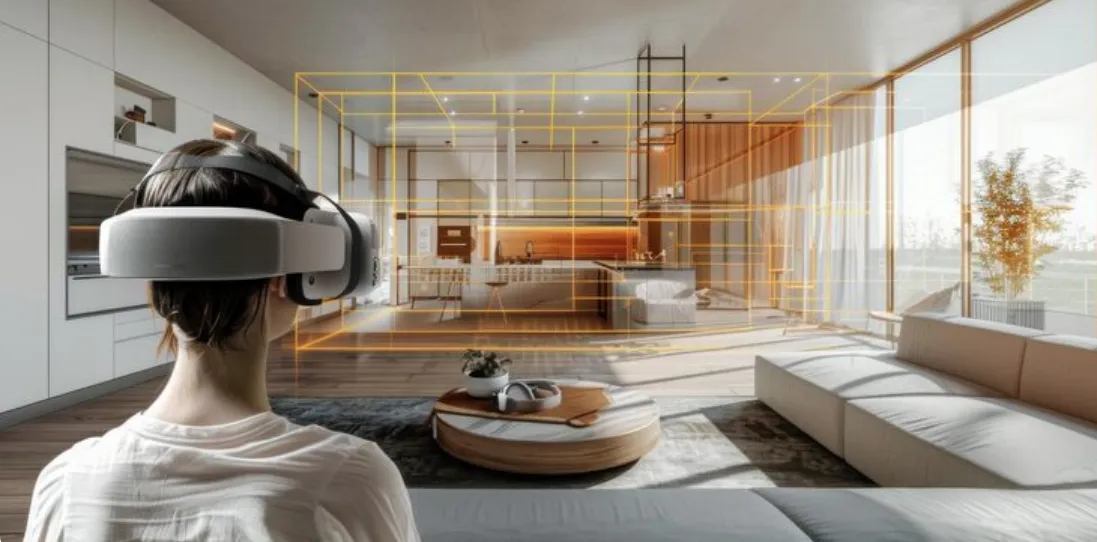
Technology has quietly closed that gap. AI virtual staging uses image recognition and generative design to read a room’s geometry, lighting, and perspective, then places furniture, textiles, and decor into the photo so it looks professionally furnished. The process happens in under a minute rather than over several days, and it costs a fraction of what physical staging or manual editing once demanded.
What makes this shift meaningful is not just the speed. It is the accessibility. A single agent handling a dozen listings a month can now stage every vacant property without waiting on a photographer’s schedule or a stager’s inventory. A homeowner selling without an agent can produce photos that look every bit as polished as a professionally marketed listing, all without renting a single couch.
What Buyers Actually Respond To
Real estate marketing research has long shown that furnished rooms photograph better and generate stronger interest than empty ones. Buyers form impressions within the first few images they see, and a bare room often reads as smaller or less inviting than one dressed with proportionate furniture. Staged photography gives buyers a frame of reference, helping them picture a sofa in the living room or a bed against the far wall instead of guessing at scale.
This is where virtual staging earns its place in a listing strategy. It is not simply decoration for its own sake. It answers a practical question every buyer asks while scrolling: does this room work for the life I want to live? A well-staged photo answers that question before the buyer even schedules a showing.
Precision Matters More Than Style
Not every staging job calls for the same treatment, and this is where many AI tools fall short. Some platforms alter walls, flooring, or fixtures along with the furniture, which creates a mismatch between the photo and the actual property. That mismatch can raise questions with buyers, agents, and even MLS compliance reviewers who expect listing photos to represent a home accurately.
A more disciplined approach to virtual staging keeps the room’s real architecture untouched while only adding furnishings. This distinction matters because most MLS systems require staged photos to be disclosed and to avoid misleading structural changes. Choosing a tool built around this precision protects agents from compliance headaches while still delivering photos that look complete and inviting.
Matching Style to the Right Buyer
Design style is not one size fits all, and the best staging tools recognize that a coastal property calls for different furniture than a downtown loft or a suburban family home. Offering a wide range of interior styles allows agents to tailor each room to the buyer profile most likely to tour that specific property.
A few style choices that tend to perform well across different property types include:
- Coastal palettes for waterfront or vacation rental listings
- Farmhouse styling for rural or countryside properties
- Minimalist design for compact urban apartments
- Mid-century furniture for homes with retro architectural details
- Luxury staging for high-end listings competing on presentation
Matching the right aesthetic to the right buyer segment is a small detail that can meaningfully shift how long a listing sits before an offer comes in.
From Fixer-Upper to Finished Vision
Vacant staging is not the only application worth considering. Dated or outdated interiors present a separate challenge, since buyers often struggle to see past worn finishes or outdated fixtures to imagine what a renovated space could look like. AI renovation tools solve this by digitally updating flooring, cabinetry, and finishes alongside the furniture, giving buyers a realistic preview of the property’s potential.
This approach works particularly well for fixer-uppers, estate sales, or properties that have sat unrenovated for years. Rather than asking buyers to mentally strip away dated wallpaper or worn carpet, a renovated preview shows them exactly what an updated version of the home could look like, often encouraging offers that account for that potential.
What to Expect From the Process
Getting from an empty photo to a finished, listing-ready image typically follows a simple sequence, regardless of which platform an agent chooses:
- Upload a clear, well-lit photo of the empty room
- Select a staging mode and preferred interior style
- Review the rendered image for accuracy and realism
- Download the full-resolution file for MLS or portal use
Because the entire process takes place online with no software installation, agents can stage an entire listing between showings or while reviewing paperwork, without disrupting their workflow.
Conclusion
The real estate industry has shifted decisively toward digital tools that save both time and money, and staging is no exception. Choosing a service that offers accurate, MLS-compliant results without locking agents into recurring subscription fees gives them flexibility that traditional staging methods never provided. Prepaid credit systems, in particular, suit agents with seasonal or unpredictable listing volume far better than fixed monthly plans built for constant usage.
For agents, designers, and homeowners looking to modernize their listing photography without the overhead of furniture rental or lengthy editing turnaround, stagehq.ai offers a streamlined path from empty room to polished, MLS-ready photo, all without a subscription commitment standing in the way.